

Solid vs. Engineered Hardwood Flooring: Which Is the Better Choice for Your Home?
Understanding the differences between solid and engineered hardwood flooring is crucial for homeowners looking to make informed renovation choices. Both options have unique characteristics that can affect aesthetics, functionality, and longevity. By exploring their distinct advantages and potential drawbacks, homeowners can develop a well-rounded perspective that will guide their decision-making process. Selecting the right type of flooring not only enhances the aesthetic appeal of a home but also boosts its resale value and long-term livability. This article delves into the details of solid and engineered hardwood flooring to help you choose the right option for your home.
Understanding Solid Hardwood Flooring
What Is Solid Hardwood?
Solid hardwood flooring is made from a single piece of wood and is considered a classic choice for many homes. It is typically 3/4 inch thick and can be sanded and refinished multiple times over its lifespan. This traditional flooring material is known for its durability and natural beauty, offering a timeless appeal to various home styles. Due to its composition, solid hardwood is more sensitive to changes in moisture and humidity, which can cause it to expand or contract. Despite this sensitivity, its longevity is one of its greatest selling points, with a lifespan ranging from 30 to 100 years according to The Spruce.
Benefits of Solid Hardwood
Solid hardwood floors offer several advantages that make them a preferred choice for discerning homeowners. Its ability to be resanded and refinished ensures that your flooring can be renewed multiple times, making it a sustainable option over the long term. The aesthetic appeal of solid hardwood is unmatched, with its natural grains and colors providing an intrinsic beauty that other flooring options often attempt to replicate. Additionally, solid hardwood can significantly increase the resale value of a home, attracting potential buyers who value quality craftsmanship. The environmental impact is another consideration, as responsibly sourced hardwood contributes to sustainable forestry practices.
Installation Considerations
Installing solid hardwood floors requires careful planning and preparation due to its sensitivity to moisture. These floors need to be installed over a wooden subfloor and must be acclimated to the room’s environment before installation. This acclimatization helps prevent future buckling or warping caused by humidity changes. Professional installation is often recommended, as it ensures that the flooring is laid correctly and will perform optimally over time. Homeowners should also consider the location for installation since solid hardwood is not ideal for moisture-prone areas like basements or bathrooms.
Maintenance and Care
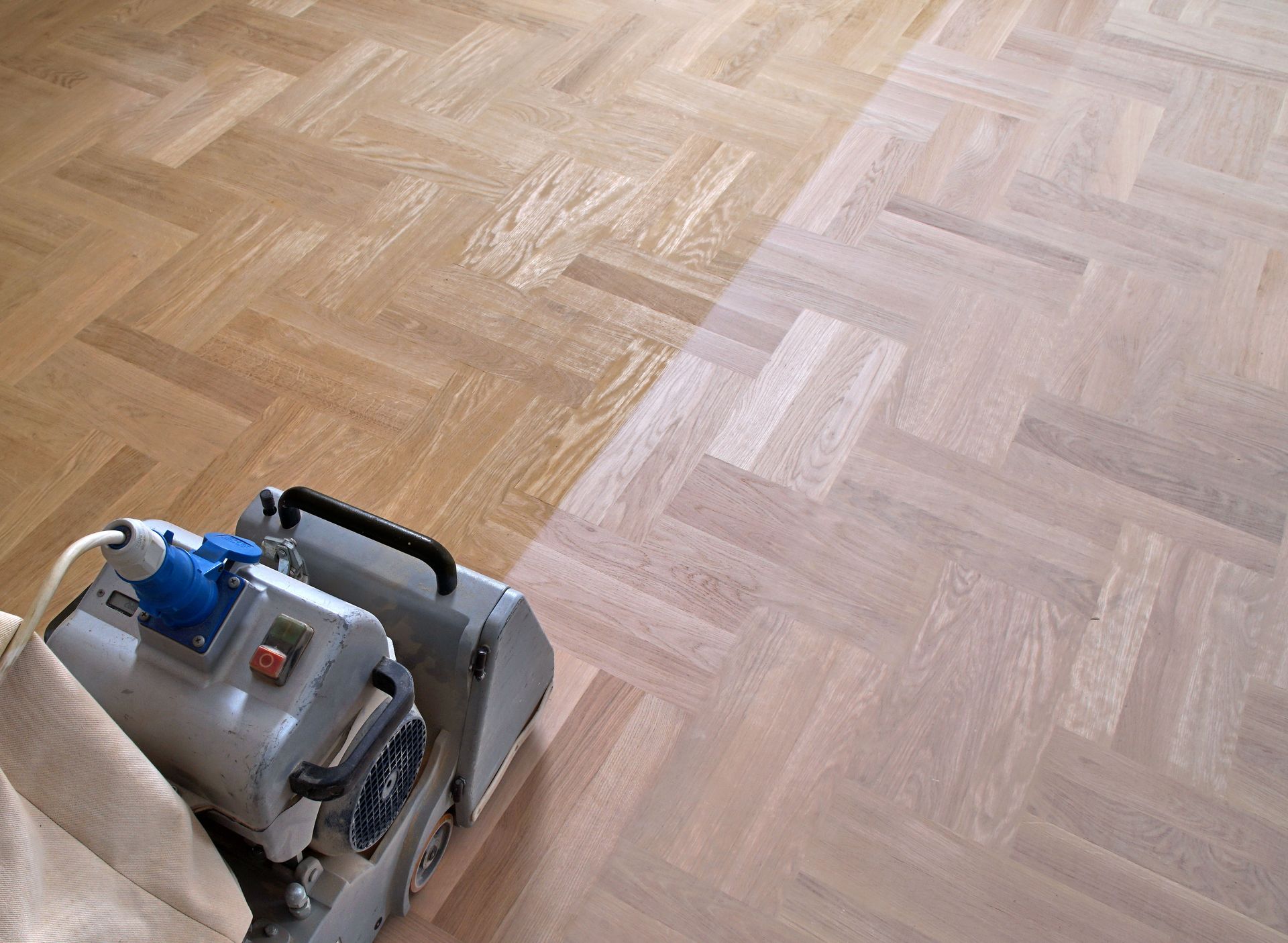
Maintaining solid hardwood flooring involves regular cleaning and periodic refinishing to keep it looking its best. Basic maintenance includes sweeping or vacuuming with a soft brush attachment to remove dust and dirt that can scratch the surface. Avoiding excessive water exposure is crucial, as moisture can penetrate the wood and cause damage. Over time, floors may require refinishing to restore their original luster, a process made possible due to the thickness of solid hardwood. This ability to be resanded and refinished is a significant advantage, contributing to its long-term durability and timeless appeal.
Environmental Impact
Solid hardwood is often considered an environmentally friendly flooring option when sourced from sustainable forests. Responsible forestry practices ensure that trees are harvested in a manner that allows for regeneration and biodiversity. Choosing certified hardwood products can contribute to global conservation efforts and reduce the carbon footprint associated with home renovations. Furthermore, solid hardwood’s long lifespan reduces the frequency of replacement, minimizing environmental impact over time. This sustainable choice serves both the homeowner's interests and the planet’s well-being.
Exploring Engineered Hardwood Flooring
What Is Engineered Hardwood?
Engineered hardwood is a versatile flooring option composed of multiple layers of plywood or fiberboard topped with a thin veneer of real hardwood. This construction method makes engineered hardwood more stable and resistant to changes in moisture and temperature compared to solid hardwood. Its layered design allows for installation in a variety of locations, including basements and over concrete slabs. Despite having a shorter lifespan of 20 to 30 years according to The Spruce, the resilience and adaptability of engineered hardwood make it a popular choice among homeowners. Engineered hardwood offers similar visual appeal to solid hardwood but often at a lower cost and with greater installation flexibility.
Advantages of Engineered Hardwood
One of the main advantages of engineered hardwood is its stability in varying environmental conditions. Its multi-layered construction reduces the risk of warping or buckling, making it an ideal choice for areas with fluctuating humidity levels. Engineered hardwood is also easier to install and can be laid over multiple substrates, broadening its application scope within a home. This flooring type can mimic the look of solid hardwood while offering cost savings and enhanced performance in specific areas. Additionally, the use of a thinner top hardwood layer allows for better use of forest resources, aligning with sustainable practices.
Installation Process
The installation of engineered hardwood is generally more straightforward than that of solid hardwood. It can be installed using a floating method, where the planks are attached to each other rather than secured to the subfloor, or through traditional methods like stapling or gluing. This flexibility in installation techniques means that engineered hardwood can be installed over concrete, radiant heating systems, or existing flooring. Its adaptability makes it a practical choice for various areas of the home, including basements and kitchens. Professional installation is still advisable for optimal results, although some homeowners may opt for DIY installation due to the user-friendly nature of many engineered products.
Durability and Maintenance
Engineered hardwood is designed to withstand conditions that would be challenging for solid hardwood. Its layered construction ensures that it remains stable even in areas with high humidity or temperature fluctuations. Maintenance for engineered hardwood is similar to that of solid hardwood and includes regular sweeping or vacuuming, along with the avoidance of excessive moisture. While it can be refinished, the thin top veneer limits the number of times this can be done, typically one to two refinishes throughout its lifespan. Despite these limitations, engineered hardwood remains a durable and attractive flooring option for many homeowners.
Sustainability Concerns
When considering sustainability, engineered hardwood offers several advantages due to its efficient use of materials. The thin hardwood veneer allows manufacturers to produce more flooring with less raw timber, contributing to forest conservation. Many manufacturers also use eco-friendly adhesives and finishes to minimize environmental impact. However, homeowners should verify that the engineered hardwood is certified by reputable organizations, ensuring that sustainable practices were followed during its production. While engineered hardwood's lifespan is shorter than that of solid wood, its eco-conscious production can offset some of the sustainability concerns.
Comparative Analysis: Durability and Longevity
Solid Hardwood: Longevity Factors
Solid hardwood is renowned for its unparalleled longevity, often lasting over 50 years with proper care, and in some cases, even up to 100 years. This impressive lifespan is largely due to the ability to resand and refinish the surface, which extends its usability and maintains its aesthetic appeal. The absorbent nature of wood makes it susceptible to environmental conditions, necessitating control of humidity and moisture levels. Solid hardwood is often seen as an investment, as its durability and timeless beauty can significantly enhance a home's value. Maintaining solid hardwood ensures that its longevity is maximized, preserving both its functional and economic benefits.
Engineered Hardwood: Longevity Factors
Engineered hardwood is generally considered less durable over the long term, with a typical lifespan of 20 to 30 years. The top veneer can withstand minimal refinishing, thereby limiting the floor's ability to be renewed like solid hardwood. However, its resistance to moisture and temperature variations gives it an advantage in specific settings where solid wood might falter. Engineered hardwood requires less stringent maintenance regarding environmental conditions, broadening its potential applications in areas prone to humidity. Its resilience in diverse environments allows it to serve homeowners well within its lifespan, making it a practical choice for those prioritizing stability and moderate durability. Be sure to reach out to H & H Hardwood Floors Austin today for more information on our professional hardwood flooring!









Share On: